
Trend or Fad?
Because some things age like milk....

This series interrogates the latest cultural fascinations and whether they’re trends or fads. A lot of the time, we can be quick to call something a trend without giving it much room to gestate and before you know it, the cycle is over. Culture moves at a rapid pace these days, and it’s important to remember that what we see on our feeds is indicative of the bubbles we live in. Just because something is trending in your city or age group doesn’t necessarily mean that it’s universal.
A tried and tested barometer to establish whether there are cultural indicators that signify a wider shift or trend is whether your parents or chronically offline friends are aware of it.
We can, of course, make assumptions about popular moments, but these should be approached with more caution and critical thinking. And sometimes, it’s worth letting these moments brew for a while before serving them up as something bigger than they are.
Slop era - Trend
Since the use of AI became widespread, social media and music platforms have been littered with AI-generated content. Throughout history, civilisations have invented technologies to improve our lives and productivity, including those in culture and art. Your average person who uses AI will see the benefits in corner-cutting and convenience. Combined with the fact that national literacy levels are declining in the UK and the US, it doesn’t appear that the use of AI will be slowing down.
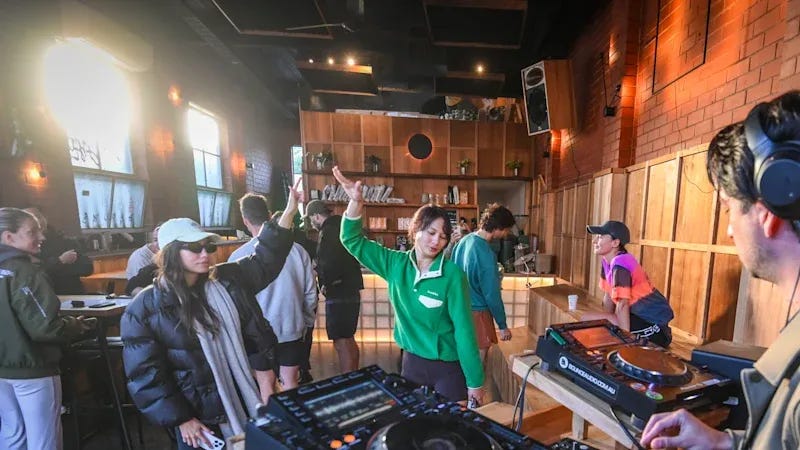
Soft clubbing - Fad
Popular narratives will have you believe that soft clubbing is going to replace raving and all of the hedonism that comes with it. Hedonistic raving is the lifeblood of nightlife, and it’s usually where new frontiers and boundaries are broken. It’s hard to see how that can happen in a Sunday rave that offers matchas instead of shots of tequila.
However, the underground party is still vital, and by nature, they’re clandestine, so you’d be hard-pressed to know where they’re happening unless you have an in. Let’s not forget that soft clubbing is a very Western-centric idea, and there are regions across the globe, particularly in the Global South, where nightlife is the lifeblood of local communities. Think Nyege Nyege Festival in Uganda or Baile Santo Amaro in Rio de Janeiro.
Nostalgic content - Trend
If you’ve been feeling lately that nostalgic content pages currently rule the feed, then you’re not wrong. But we’re not just seeing it on the feed, we’re seeing it show up in music, art, film, TV and fashion. It feels like we’re stuck in this never-ending loop of nostalgia where newness and avant-garde are too daring and risky, so brands are playing it safe and leaning into the past. Why wouldn’t they? The future is bleak, and the present is particularly ominous, but looking back to the turn of the century, culture felt fresh and exciting because it was. When culture, as we know it, prioritises the past, then it leaves little room for innovation and freshness.
Migrating offline - Fad
The reality is that the internet has become critical to the functioning of global systems and, in many ways, fundamental to our survival. If digital systems crashed tomorrow, it would have devastating effects on the financial, healthcare and education sectors as well as the private sector. Of course, people want to limit their use of the internet and screens, but they have become vital to the way we work and socialise, and the great offline migration that we’re talking about won’t be as widespread as we think.
Vine reboot - Fad
We saw it with Myspace when it tried to make its return with Justin Timberlake as its ambassador. Now it sits on the internet scrapheap, long forgotten and discarded. Last week, Jack Dorsey, founder of Twitter, announced that he plans to relaunch Vine as diVine (okay?), and this feels like another one of those ‘too little, too late’ moments. It didn’t make sense to fold Vine into Twitter when it was bought by Twitter in 2012, and five years later, it was shut down. With TikTok and Instagram reels now leading the charge of short-form content, it feels very unlikely that diVine will pry people away from those apps.
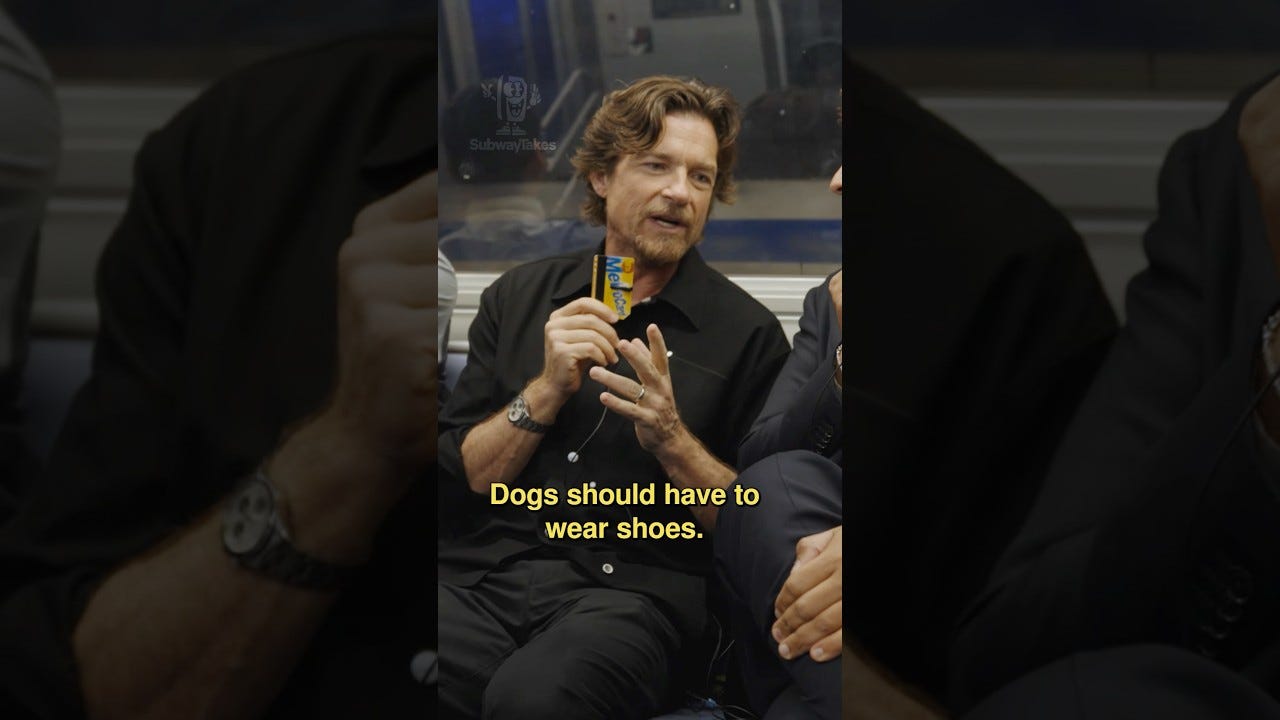
Subway Takes - Trend
Subway Takes currently feels fresh and exciting because it offers a unique window into how New Yorkers live and think. Lately, though, we’ve seen more celebrities appearing on the Kareem Rahma–hosted platform, and there are signs this will become increasingly common as the show aims for greater visibility and profitability. If recent internet trends are any indication, that outcome seems likely. It’s not a fad in the sense that it will vanish within a year, but it will almost certainly lose some of its novelty and ‘shiny new toy’ appeal. I genuinely hope I’m wrong. At the moment, though, it’s certainly a trend due to its unrehearsed, improv nature, and we need more of that.