
Things that have changed over the past year, or things we’ve changed our minds on
Yet another end of year list...

1. I thought more about masculinity
From the moment I was told I needed to shave my legs by a boy in my year 5 class, to the moment Chanté Joseph wrote ‘Is Having A Boyfriend Embarrassing Now?’, I have always been building, deconstructing and rearranging my idea of what it means to be a woman. What I hadn’t given much thought to until this year was what it means to be a man. And it seems I wasn’t alone.
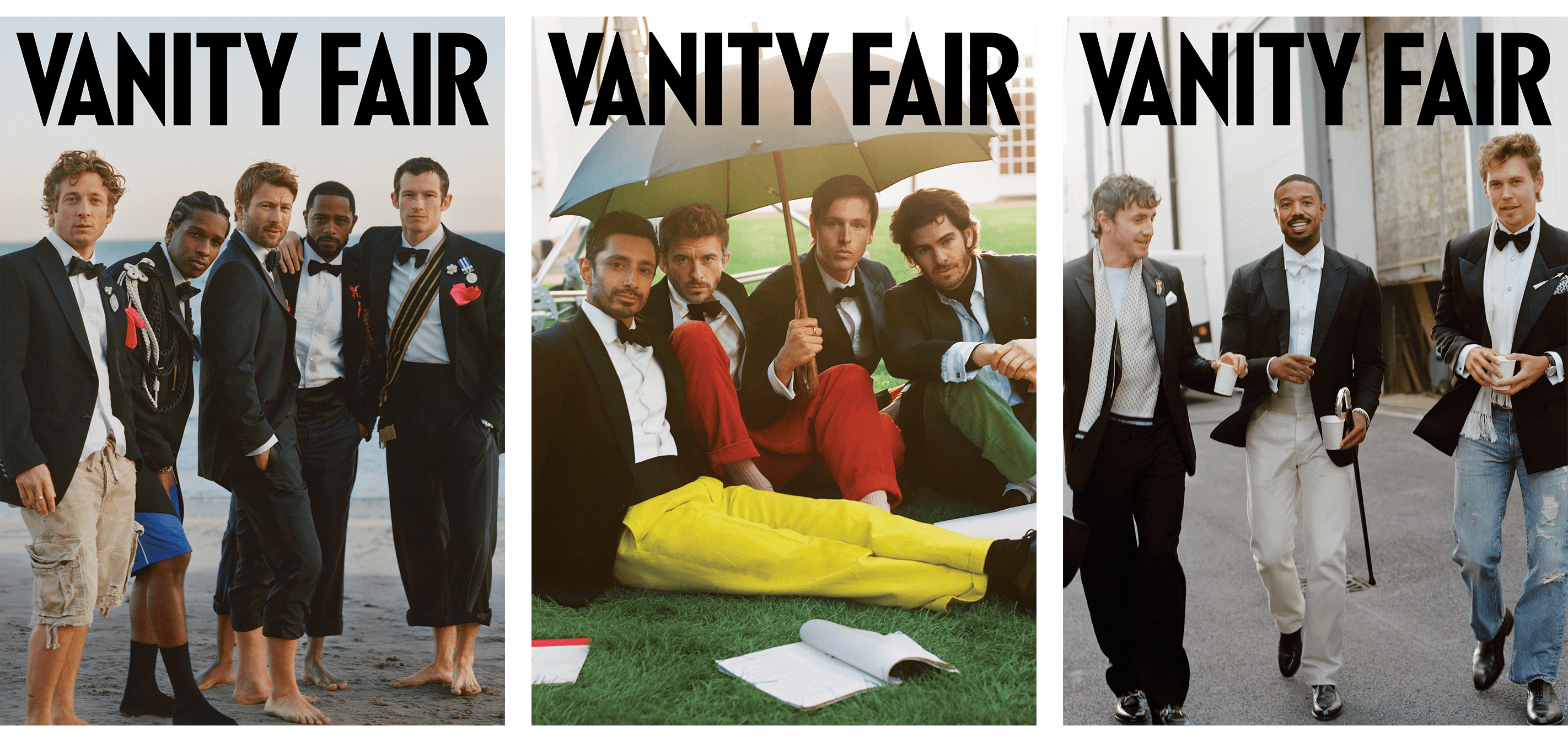
Rhetoric around masculinity was rife this year, with thinkpieces, podcast hosts and films addressing it from multiple different angles. On the one side, we saw the rise of an extreme misogynist ideology, heralded by the likes of Andrew Tate and Gamergate, and explored in the Emmy-award-winning Adolescence. But against this backdrop, a conflicting image of masculinity was emerging, one characterised by men who cried on TV, occasionally wore women’s clothes, and bought flowers to arrange with their daughters. The ‘soft boys’, ‘rat boys’, and ‘babygirls’ captured for the front cover of Vanity Fair’s 2026 Hollywood Issue.
Then there were the rest. The non-celebrity, non-radicalised boys and men. The men who were called ‘performative’ for reading too many books or wearing a tote bag, but were just trying to figure out what kind of man they wanted to be. As the poet Hollie McNish puts it: “The headline reads: one in six boys aged six to fifteen have a positive view of Andrew Tate / the headline does not read: five in six boys think Andrew Tate is a prick”.
Meena, Researcher and Writer
2. Collabs are boring now
Collabs have passed their peak, and it feels like we’ve reached a stage where brands are simply using them to cling to relevance. In the same way that a partner doubles down and tries too hard when, deep down, they know the relationship is on its last legs, brands are almost trying to convince themselves more than us that we need the latest collab. The DN8 didn’t work when it first went on sale earlier this year and collabs with Patta and Palace aren’t going to save it. The latter didn’t even sell out, nor did the Palace x Nike T90 drop, so it’s worth asking what success now means in this space if products don’t sell out.
Jesse, Head of Culture
3. A new UK music scene hit the mainstream
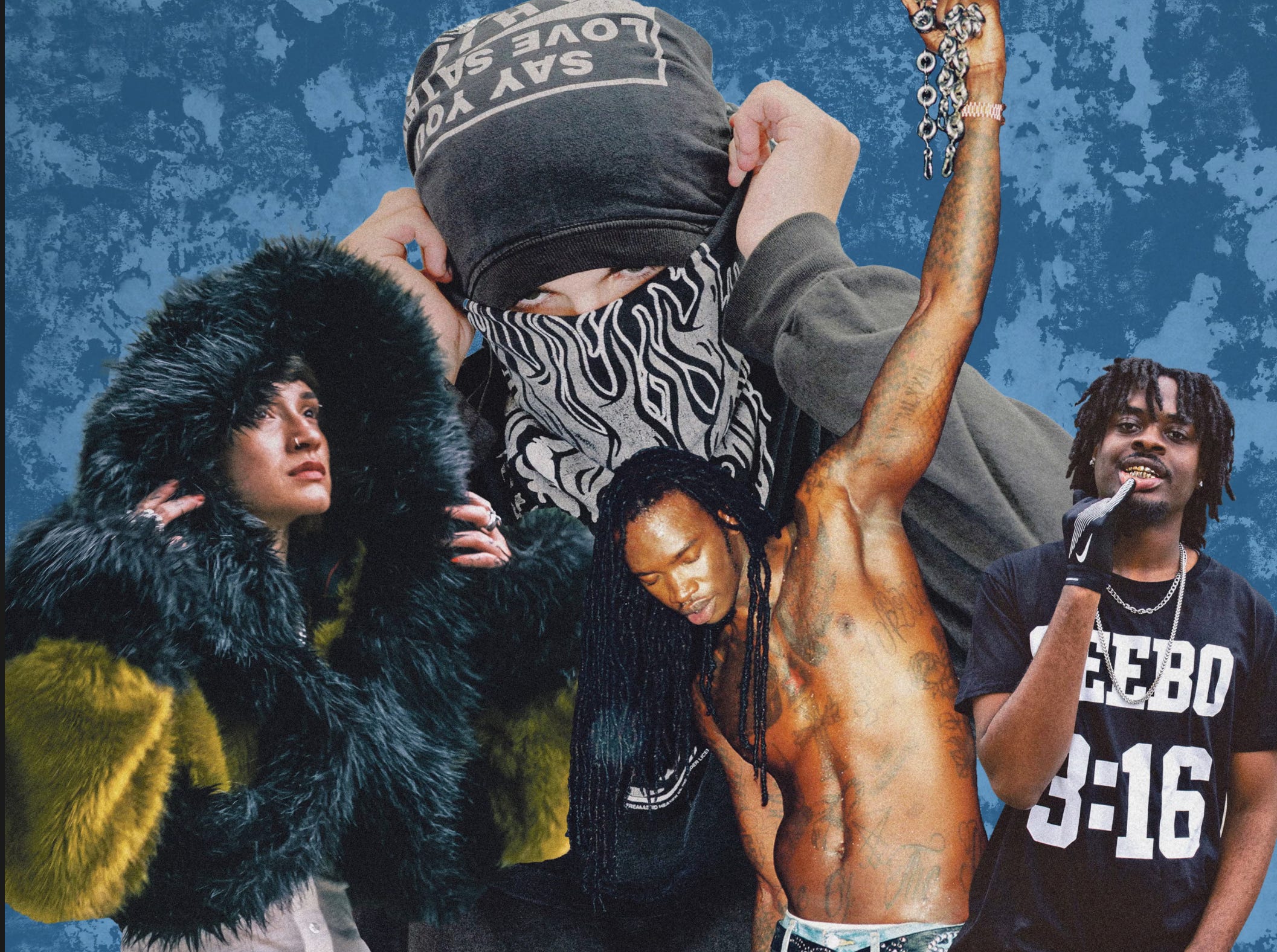
Just as hopes for the UK’s music scene were waning, with a continuous stream of editorial telling us nightlife was dead, nothing innovative was happening, and bland, AI-generated pop had won, a new scene rose out of the ashes. A scene that had been bubbling beneath the surface for some time, UK underground rap took the nation by storm this year, led predominantly by Gen Z artists and spread via social media.
Experimental and eclectic, the scene is less united by a common sound and more by a shared feeling: “a feeling of hopelessness in the face of a world built and shaped before our input”, as key figure Ceebo explains in the opening to his album ‘Blair Babies’. In an interview with Dazed he explains how, unlike previous generations, Gen Z had access to every genre and artist you could ever imagine, creating a melting pot of different influences that resulted in the breadth of this scene, which meanders through grime, afro-swing, indie and trap to create an entirely new and indefinable style. Other ones to watch include Ledbyher, Jim Legxacy, EsDeeKid, Fimiguerrero, Len, Rico Ace, and Fakemink, with Lancey Foux cited as a trailblazer.
Meena, Researcher and Writer
4. Netflix buying Warner
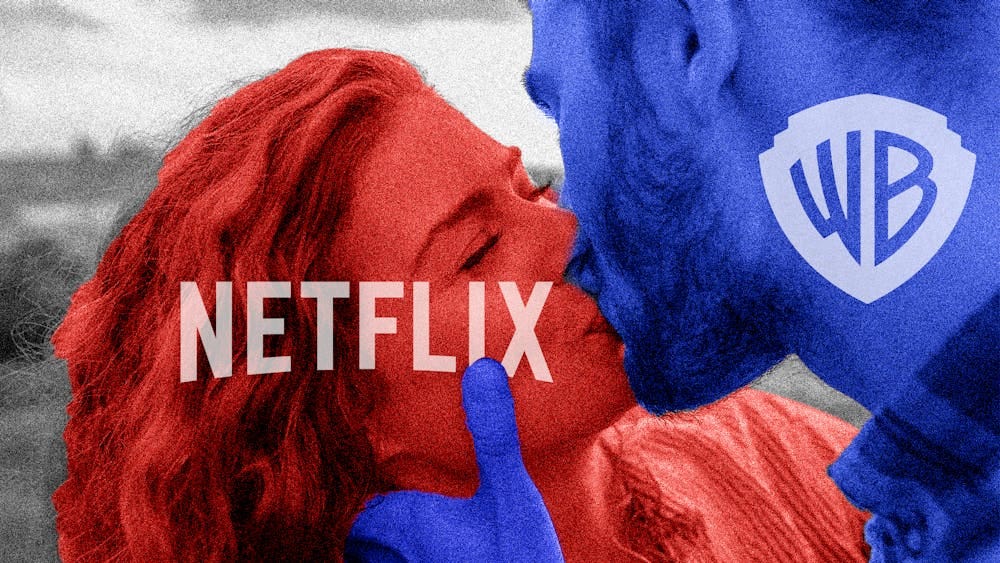
In the case of Netflix, the recent news that the streaming giant bid to acquire Warner Bros. Discovery has sent shockwaves throughout the industry, as Netflix would have access to the entirety of its archives, including HBO and DC Studios. The streaming giant has always been staunchly opposed to theatrical releases, valuing producing content that goes directly to consumers. Still, with this, we lose a critical cultural pastime, and anything that gets us out of the house instead of binge-watching TV and films should be encouraged. In light of the recent news, Netflix’s move feels regressive and lacking in innovation. It won’t be long before we see a Looney Tunes vs Justice League franchise.
Jesse, Head of Culture
5. Irony is out / sincerity is on - caring about things was cool again
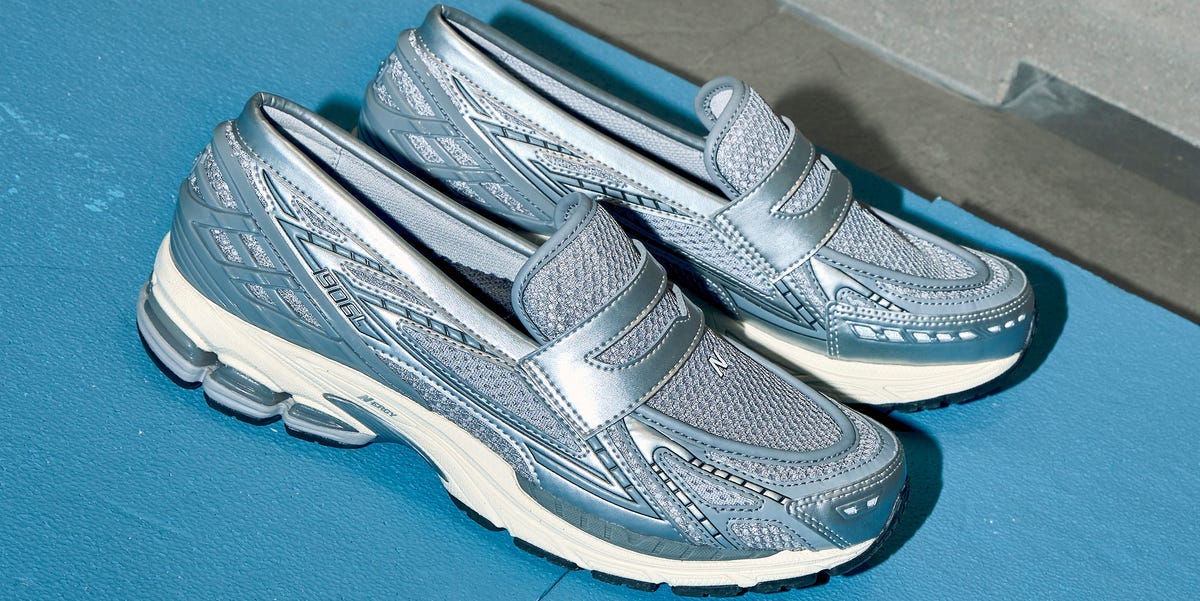
Irony only works when people genuinely don’t care about being perceived but brands drove this idea into the ground because ultimately, they care about perception, sales and revenue. The New Balance loafer, for example, leaned into the irony so much that it wasn’t quite clear whether its audience would genuinely wear the shoe. It’s not sold out anywhere, which isn’t surprising given the price point, and it would be interesting to see the sales metrics.
Caring about things and expressing passion are what we need more of, especially in a climate where so many young people feel alienated and lonely. It’s essentially why so many young men, in particular, feel so disenfranchised, because grifters have told them that caring isn’t masculine.
Jesse, Head of Culture
6. Screen time went down as the internet got shitter
Whether there was a direct correlation here, I can’t prove, but I’d be inclined to think they were connected. It seems that 2025 was the year people realised “a life completely beholden to screens is no life at all”, as John Harris put it in The Guardian. According to research by the Financial Times, hours spent on social media peaked in 2022 and had fallen by almost 10% by the end of 2024, with the decline most pronounced among people in their teens and 20s. This momentum only continued this year, with the number of people using dating apps dropping and in-person events becoming even more popular. In essence, it felt like there was a general consensus that we should all be living in the moment a little more, ‘touching grass’, prioritising IRL connections and appreciating the world around us, not through a screen.
Part of this move away from the apps was likely sparked by their gradual and insidious decline, which became all too apparent in 2025. Suddenly, these spaces that had been genuine tools for human interaction, creative discovery and community building, became infested by AI-slop, hyper-personalised algorithms and sponsored advertisements. In a process that has been called the enshitification of the internet, our digital platforms became less and less beneficial to their users and more and more beneficial to their shareholders, leaving us all wondering: why is the internet not fun anymore?
Meena, Researcher and Writer
7. People started using chat gpt as their therapist
This is one no one could have expected. Or maybe we should have. But when I first heard someone telling me they were using Chat GPT to get relationship advice I couldn’t quite believe my ears. This was back in March. “It remembers everything I’ve told it, so it can give really balanced and well thought-out advice,” she said, showing me a recent message from the bot, which I couldn’t deny was pretty good guidance and essentially summarised what I had just told her in a matter of seconds. It is the convenience, speed, low cost and privacy of Chat GPT that is attracting so many young people to its ‘services’.
With NHS waiting lists for more conventional support too long, private services too expensive, and human therapists accused of being judgemental, intimidating or not understanding, according to one young person interviewed by The Guardian, the lure of the AI counsellor is strong enough for nearly a third of 18-24-year-olds in the UK to use it, according to one YouGov poll. The number increases to 40% for those affected by youth violence.
Meena, Researcher and Writer
8. Things got way more polarised
This one needs little explanation. There was a palpable feeling throughout the year that the spectrum was being stretched even further than it ever had been before, with those on the left becoming more incensed by corrupt governments, biased media, and racist politics, and those of the right becoming more explicit about their racism, corruption and bias. In UK politics alone, the two-party system that had been in place since the 1920s completely crumbled as Labour lost voters to the Green party and the Conservatives to Reform.
Elsewhere on TikTok and Instagram, we saw creators becoming more extreme versions of themselves, be that gym bros and trad-wives or more progressive, queer and trans communities that had to defend themselves against the onslaught of hatred and discrimination they received this year.
Meena, Researcher and Writer
9. The return of skinny
There are so many layers to the return of skinny, which isn’t necessarily a resistance towards thick or curvy but more so against BBLs. At the centre of this shift has been the rise in use of Ozempic.
Body positivity, as we’ve known it over the past few years, is out, with so many plus-sized influencers and celebrities recounting stories of losing work either because they lost weight or because the industry is shifting.
Jesse, Head of Culture
10. No phones on the dancefloor
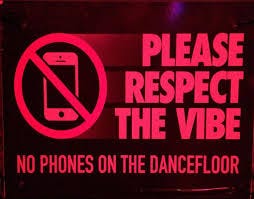
At the beginning of 2025, I would’ve agreed with this policy in most electronic music spaces and raves. However, when a good idea takes hold in London, everyone seems to run it into the ground while forgetting what it signifies. Large clubs with multiple rooms operating a ‘no phones’ policy aren’t generally safe, especially when it’s challenging to distinguish staff from ravers and since most club spaces don’t typically take a harm reduction approach to begin with. Equally, having a swarm of bouncers rush towards you as you take a picture of your friend, as writer Tom Usher recently posted, is likely to cause more disarray on the dance floor.
Jesse, Head of Culture
Lots of great analysis there👌🏾 Be interesting to see if these things develop further. With the exception of AI Counsellors, I hope so. It has been amazing watching young people build these physical in person communities all over the place and they are all so welcoming to lambs in sheep’s clothing like me😍
Pet peeve as a Junglist historian. Jungle is the first music genre in the UK where young people created an exciting hybrid of all the genres that came before. I wish more Black Brits knew Black British music history better. My work continues…but first let me go listen to Blair Babies.