
Reimagining Cities: What Does It Mean To Be a Londoner Part One
The first instalment in our new ongoing DOWNLO.AD Editorial Series: Reimagining Cities


Over the next few months, ON ROAD’s culture and editorial team will delve deep and explore what London could be in the future. Rather than lamenting how the city has changed, we’ll be using our imagination to conjure ways in which we can rebuild London into a city of play.
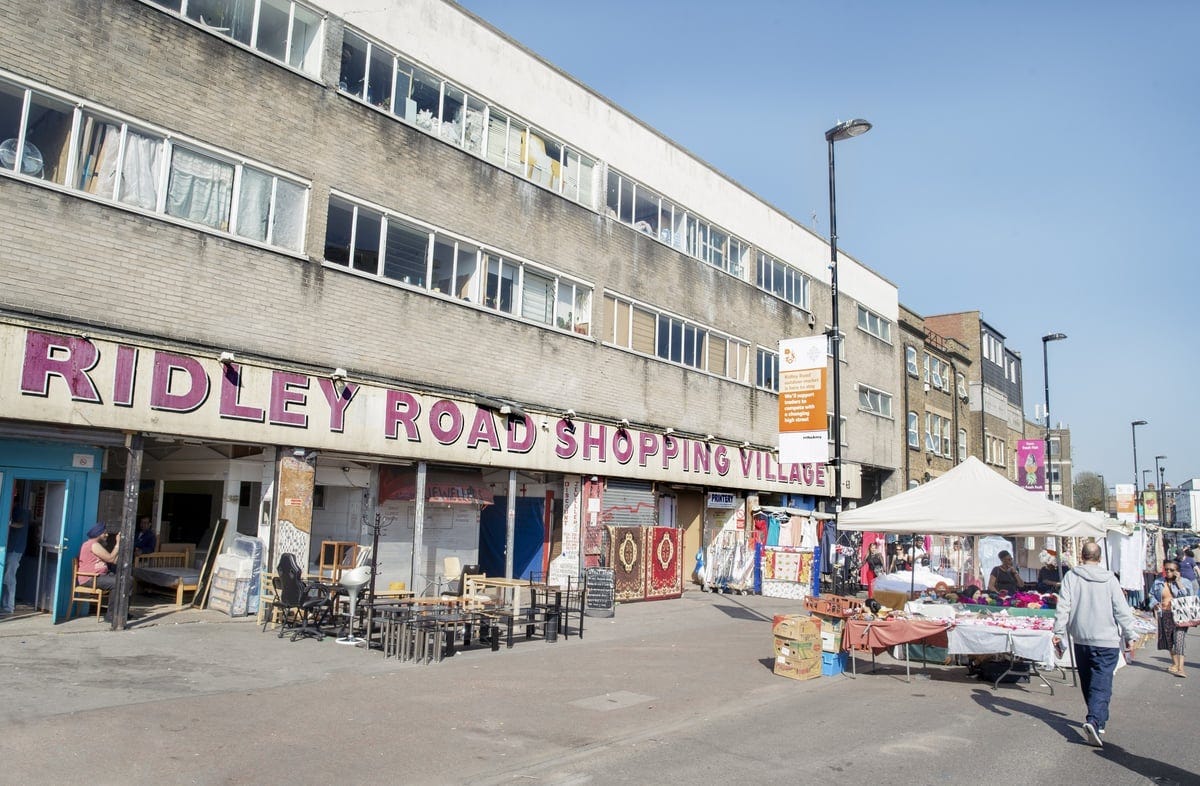
There’s the London we know and have known and the London we wish to see. It’s safe to say that those who are either just getting by, living below the poverty line, or trying to thrive amidst the chaos are more hopeful for a London that doesn’t quite exist.
It’s about reimagining and reshaping the city to our needs and desires. Making do with what we have but not settling for what’s given. Not the London of yesteryear or the present, but the one we’d like to see the next generation grow up in. Perhaps that contains elements of old London and the one we currently live in, but in this piece, we want to use our imaginations and think more deeply about what shapes a city, whether what needs to exist and how we can remould our ideas of what one should be.
Today, being a Londoner means resilience, survival and an element of idealism. Most of us who live here know that it’s no longer fit for purpose. Those who choose to stay have developed a built-in resilience that’s been tested by the harsh conditions of city living. Whether that resilience has made us more brittle or smooth remains to be seen, but surviving cities. To tell the truth, after a heavy debate among the ON ROAD team, the London I knew as a kid doesn’t exist anymore. Our studio in Hackney Downs sits next door to the estate where my grandmother lived until 2001. The council offered her to buy it for £15,000 but she didn’t have the money, nor did my parents. Now the average two-bed flat on Downs Estate costs £350k. Most of the area still looks the same as it did but you don’t hear loud music everywhere, at all times of the day. Noise comes with restrictions. The demographics of the area have notably changed.
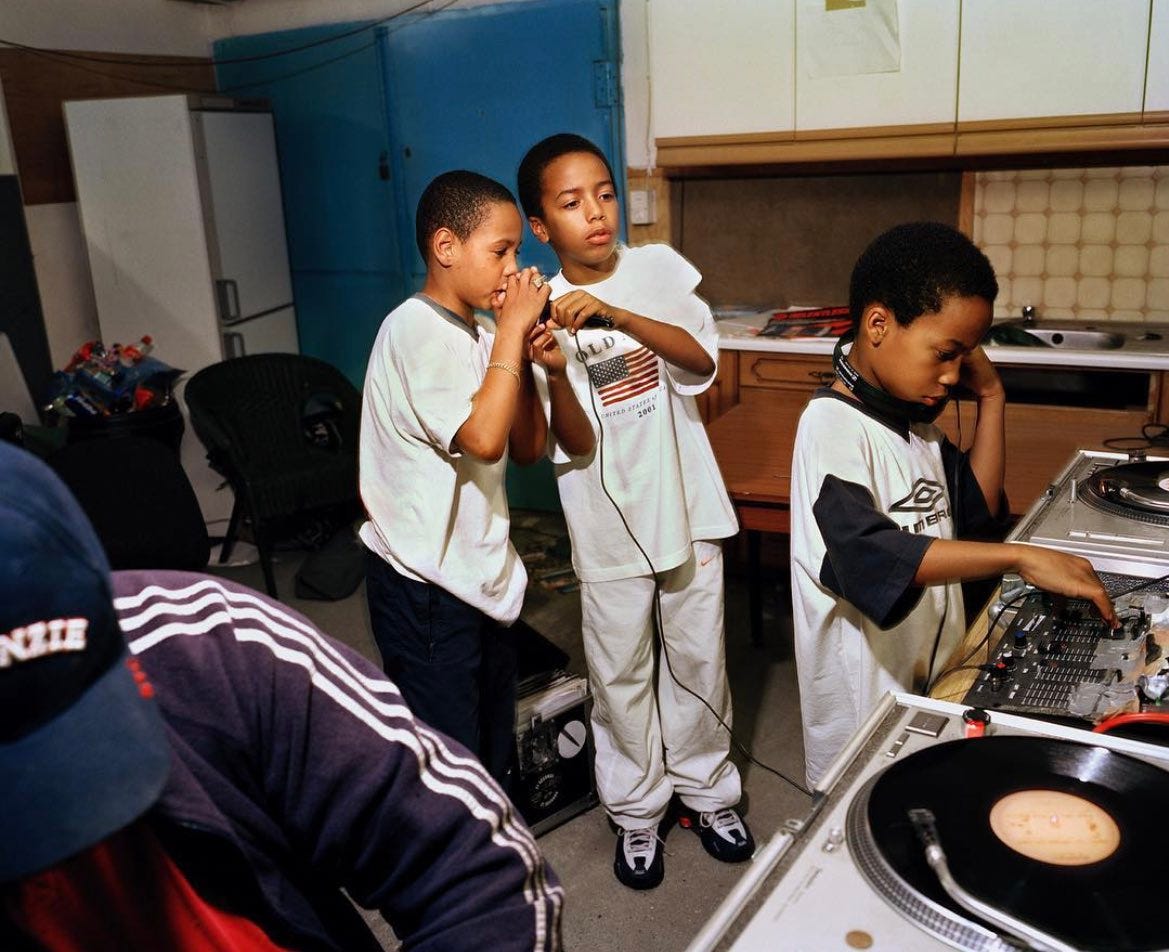
We’ve become sanitised by the noise of the city. We moan and grumble, under our breath, of course, when people play music aloud on their phones on public transport. In 2006, that was all anyone under a certain age did. 4th Gen Apple AirPods cost £129 at most retailers, which works out at the equivalent of a 10-hour shift working on a minimum wage salary. Even using my logic, the majority of people who use public transport are on a minimum wage or less. However, there’s a gap between those who play the music and those who find it abrasive. In New York, the subway pole dancers – I’m calling them what they are – are just there. Even if they’re often inches from accidentally booting someone in the face, New Yorkers have grown resilient and accustomed to noise. Londoners actively combat when given the opportunity. But not all, however, it’s those with the power to quieten the city.
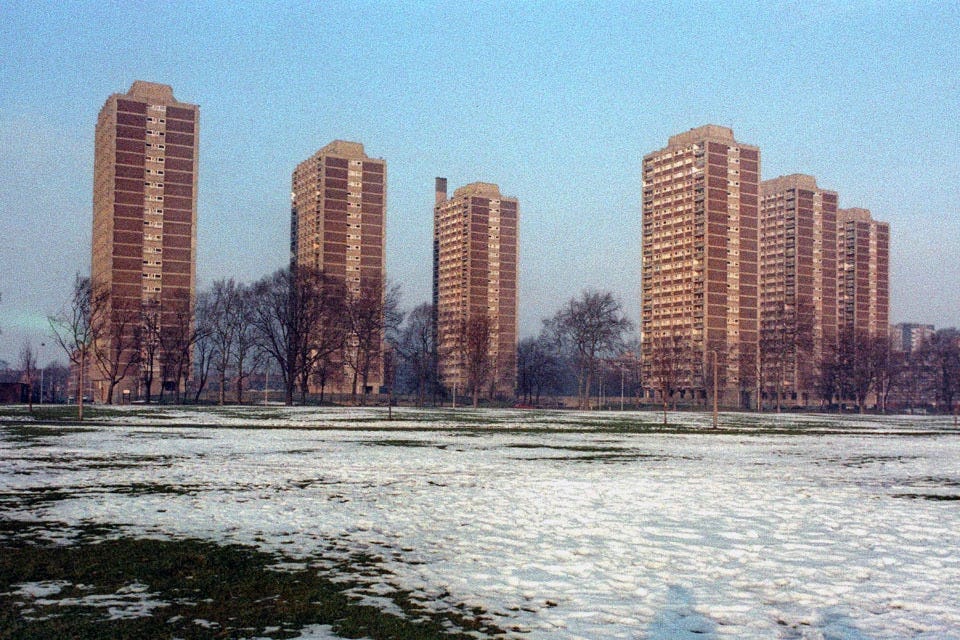
The argument for me is less about what makes someone a Londoner and more about how the uniqueness of the noise here makes the city so celebrated and revered globally. The easiest solution to the nightlife crisis would be to have more house parties but those are difficult when dealing with landlords, neighbours and housemates. Quiet zones are already there, whether by policy or just the threat of a noise complaint. The not-so-quiet part in the Brockwell Park debate is that it’s about a type of music festival and audience that is the issue. Form 696 no longer officially exists but these are how events can be blocked, under the pretence of noise rather than Metropolitan Police policy.
The link between council policy, police mandates, resident group agendas and property development can’t go unnoticed in the conversation around nightlife, noise and street music culture in London. It’s why Beyoncé can perform a week-long stadium tour at Tottenham Hotspur’s ground, with Kendrick Lamar and SZA headlining there in July. Technically, Northumberland Park still retains an element of what London is trying to sweep away, both good and bad, and the juxtaposition of what it used to be and what it’s been becoming since the stadium was built in 2019 couldn’t be more visible.
All this to say that I’d always hoped that Hackney and Haringey wouldn’t change, but they have, so all there is to do is reimagine what they can be.
 | A guest post by
|