
Is Spotify over-complicating things?
With new upgrades to the app, we ask whether music streaming services should be paying attention to niche micro-trends and if this signals something greater about our future listening habits.

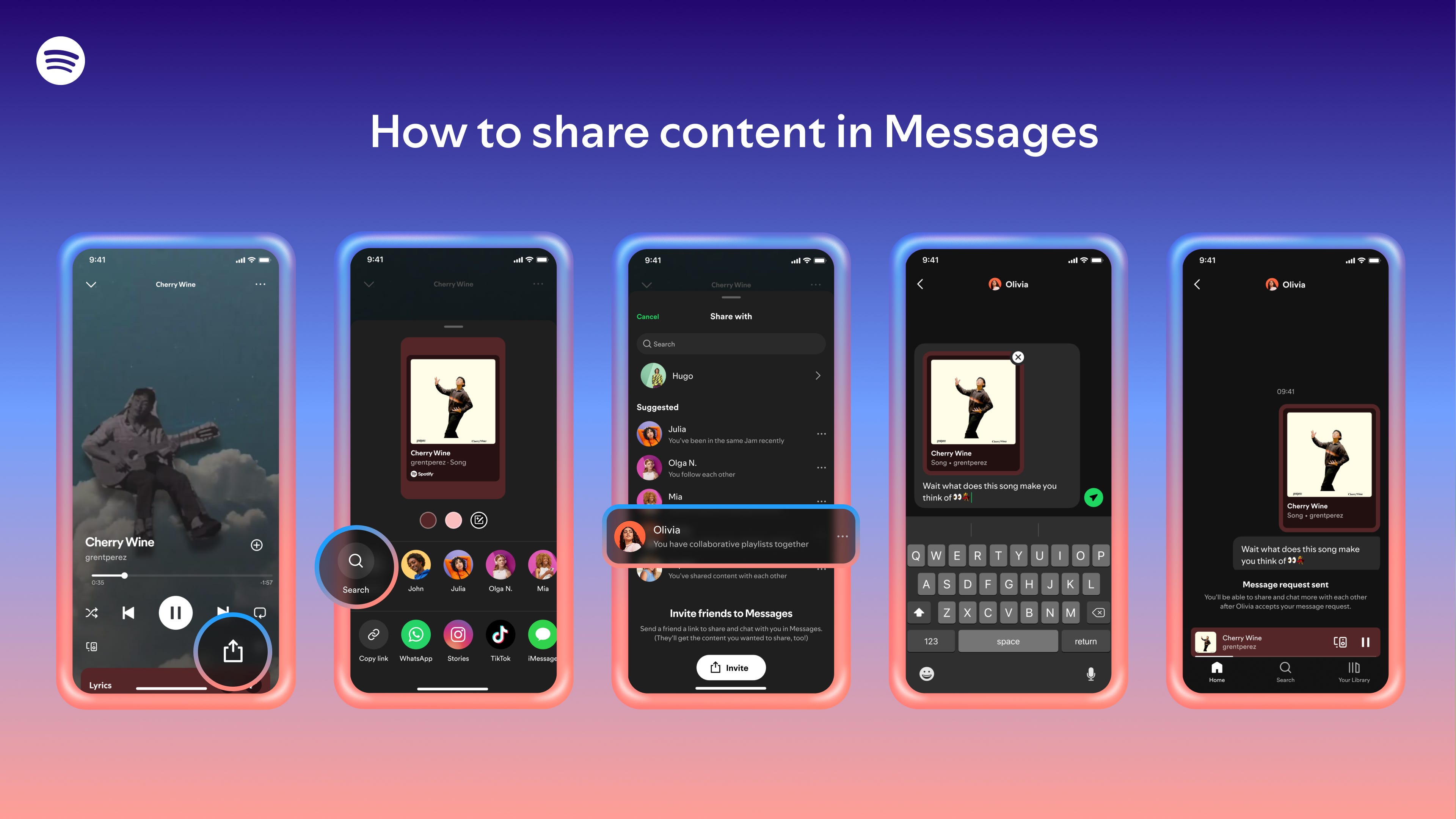
A couple of days ago, I sent my friend a song on Spotify – the best love language in my opinion. I copied the link and pasted it into iMessage, as I always do, and a notification popped up from Spotify asking if I wanted to send my friend the song directly on the app itself. The new feature, launched late this summer, allows listeners to share songs with friends and family directly, as well as send text messages and emojis. In essence, it turns Spotify into another form of social media by allowing users to connect and communicate with one another, as you would on WhatsApp or Instagram.
News of the update came just a few days after Spotify introduced another change to the app – one I hardly noticed until it was pointed out to me the other day. Only available to paying subscribers, the ‘Mix’ feature allows users to customise transitions between songs, adding effects like ‘fade’ or ‘rise’ and altering the EQ in faux-DJ style. While many things about this make my blood boil, I’ll be focusing on just one for the sake of this newsletter. I’d like to know whether we, as consumers, actually needed any of these fancy updates?
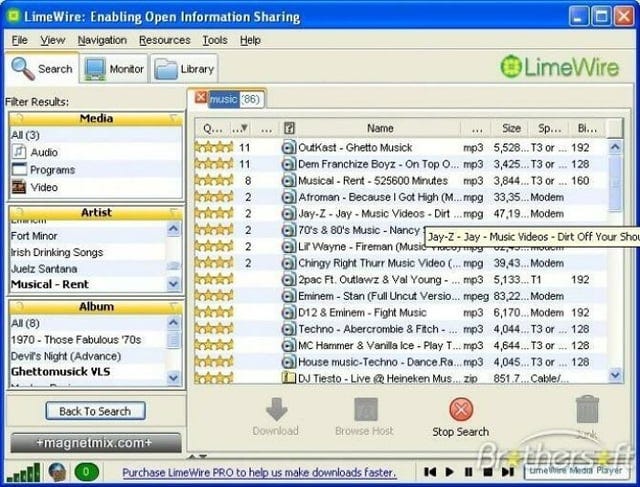
At the same time that Spotify has rolled out these upgrades to its service, something else has been happening behind the scenes, in the niche crevices of TikTok and Reddit. Gen Z are seeking new ways to consume music. MP3 players have been making a comeback for some time now, with content creators documenting their transition from streaming platforms to old iPod models. As a result, Google searches for piracy and torrenting sites are rising, with similar tutorials on how to illegally convert and download music online.
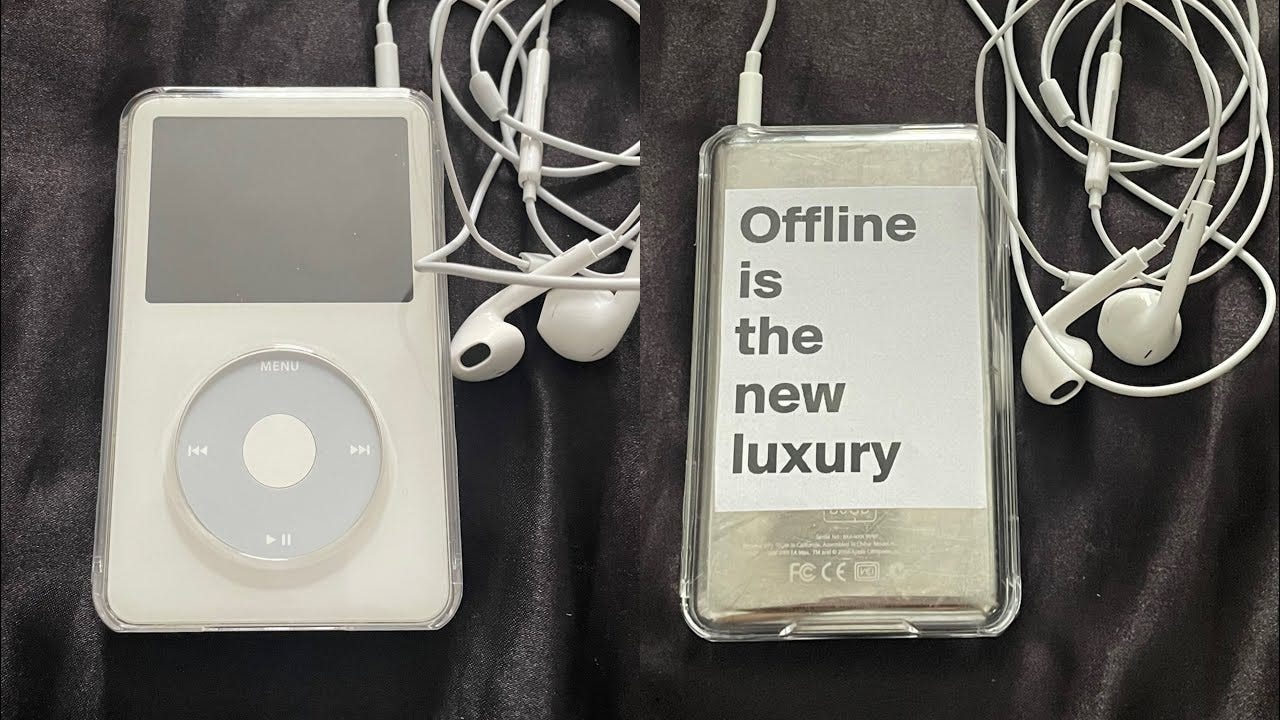
The benefits touted are varied. For some, it is about owning your own music and intentionally curating playlists without AI-generated algorithms. For others, it is the process that entices them, by fostering a greater sense of connection with their music. A particularly common motivation is the desire for distraction-free listening. “For all the girls that are overstimulated by their phones, laptops and iPads, this is a PSA that we are bringing back iPods,” says one user, while another announces: “single-use devices are back.” And, granted, there are some that just like the Y2K aesthetic – the tangled white wires only adding to their outfits.
Whatever the reason, the trend signifies a reaction against the ascendancy of music streaming platforms such as Spotify. It reveals a change in listening habits, but not through the invention of a new one, but the return of an old. Apple discontinued its iPod product line in 2022, having essentially self-annihilated through the launch of the iPhone, which was originally released in 2007 and incorporated the same features and functionality of an MP3 player.
The difference was that the iPhone used the internet, expanding the possibilities for music consumption. All of a sudden, you could listen to any music available on the internet, at any time of the day. Spotify launched in 2008, condensing our discovery habits to one app. While Apple Music and YouTube Music took a share of its customer base in 2015 and 2018, respectively, Spotify remains the most popular music streaming service in the world, with a massive user base of over 696 million people. Of those, 276 million subscribers pay for ad-free listening, while the others must endure the occasional interruption from brands such as Renault, Virgin Active and the pet food brand Monge.
As the years have gone on, Spotify has become increasingly driven by AI. Its algorithmically-generated playlists and personalised recommendations are fuelled by companies such as Echo Nest and Seed Scientific, AI or AI-adjacent companies that the app has gradually acquired over the past decade.
These advancements are made in the name of convenience and user satisfaction: “Now, Premium users can take their creativity to the next level with the ability to add and customise transitions between tracks,” says Spotify of its new ‘Mix’ feature. And of the messages: “Our goal is to give users what they want and make those moments of connection more seamless and streamlined in the Spotify app.”
And yet, the Gen Z iPod renaissance would suggest they may not have given all users what they want. Of course, that’s not possible – you’re never going to please everyone – and Spotify certainly would have done its research to come to this decision. The question is whether these small pockets of youth culture are actually signalling a wider future trend that Spotify should look out for.
Let’s take a deeper look at the trend itself. The resurgence in MP3 player usage suggests that young people are harking back to times when music acquisition was far less “seamless and streamlined”. When music files had to be downloaded, uploaded and listened to repeatedly because the selection on your iPod was ultimately finite. Instead of seeing this procedure as a nuisance and a bore (as you might expect from a generation born into the age of convenience), many are seeing it as a novel experience and one that allows for a more sustained and meaningful attachment to their music.
They understand that the time and effort put into this type of listening and the limited choice it entails creates deeper bonds with each artist, each track, and encourages a more active ear than one might otherwise use when being suggested songs by Spotify. You might call it ‘slow listening.‘ Where smartphones and music streaming have made our music experiences gradually faster (from being able to search for any song to not even needing to search for songs because they are selected for you), the use of MP3s and music pirating sites has reverted to a more drawn-out process. Each step requires your full attention and active work, giving you a greater appreciation for the song when it is finally playing through your earbuds.
While Spotify’s new updates may reflect current consumer needs, will they be appreciated if the slow listening movement expands? So often, these micro-trends are at the forefront of new developments, leading the way in a particular field. Eventually, they spiral upwards and hit that mainstream, forcing a turn in the tide as the masses catch on to new (or in this case, old) ways of doing things.
How can Spotify respond if this happens? As the brand’s subscription count plateaus – as it inevitably does with most tech brands – what will their strategy be in a world that’s shifting towards more slow and meaningful consumption? Should music streaming services strip it back and keep it simple? Focus on the service they were designed to provide, without superfluous, AI-generated content that only makes our experience less human.
How can they find ways to deepen fandom? In a recent report by MIDiA, researchers found that young people are discovering new music, but then stopping at the source, without digging deeper into the artist’s repertoire, creating a disconnect between the music we listen to and the artists that made it. How can apps like Apple and YouTube Music reignite this connection by platforming its artists more and forming new ways for musicians to build fandom and engage with consumers? Is there room for editorial or video content? Can artists personalise and have control over their own Spotify pages? What if there was an optional setting that prevented us from skipping through, or past, songs, encouraging the listening of tracks and albums in full, and creating a deeper attachment to artists?
This month, Airbuds became the fastest-growing social music app when it launched its new networking platform. The startup has seen over 15 million app downloads already, and has 5 million monthly active users, 1.5 million of whom go on the app daily. The app allows users to share what they’re streaming with friends through a smartphone widget that works with a range of streaming services, including Spotify. It allows users to react to songs, start conversations with friends and discover new music.
What made Airbuds’ social music app a success, while Spotify’s messaging service has been receiving largely negative reviews online, with Reddit threads questioning why it was implemented and what the point of it is? Perhaps it’s because Airbuds takes the social networking aspect elsewhere, preserving the purity of the listening experience on Spotify by keeping it personal, and giving users a choice of when and where they want to connect with friends more intentionally. The Airbuds app emulates the likes of Discord and Reddit in its creation of dedicated community spaces, where multiple users can chat simultaneously. Yes, it is not as “seamless and streamlined” as the Spotify upgrade, but perhaps that is not necessarily what consumers are looking for anymore. Perhaps clunkier, more tangible experiences can create opportunities for more meaningful consumer habits.
If we see a push-back against speed and convenience in the coming years, brands will need to react by re-centring emotion, depth and the human experience, even if that takes longer to foster. Slow down and remember what the essential purpose of the brand is to the consumer, then nurture that. Tap into the shared emotions that drive consumer behaviour. Invest in your community, not AI.
People are aware that value does not necessarily come from how fast or how easily a service can be provided. In fact, they have seen and lived the adverse effects that these qualities can have on products. As we move into 2026 and beyond, will people start to value brands by their ability to create raw, immersive experiences that are purposeful, substantial and long-lasting?